
Advancing Women’s Health Imaging in Minneapolis: Leading Ultrasound Providers Across the Twin Cities
The Minneapolis–Saint Paul metropolitan region has long been recognized as one of the Midwest’s most advanced healthcare markets. Anchored by nationally respected academic medical centers, integrated health systems, and specialized women’s health practices, the Twin Cities offer patients access to comprehensive diagnostic services across obstetrics, gynecology, maternal-fetal medicine, reproductive endocrinology, and breast health.
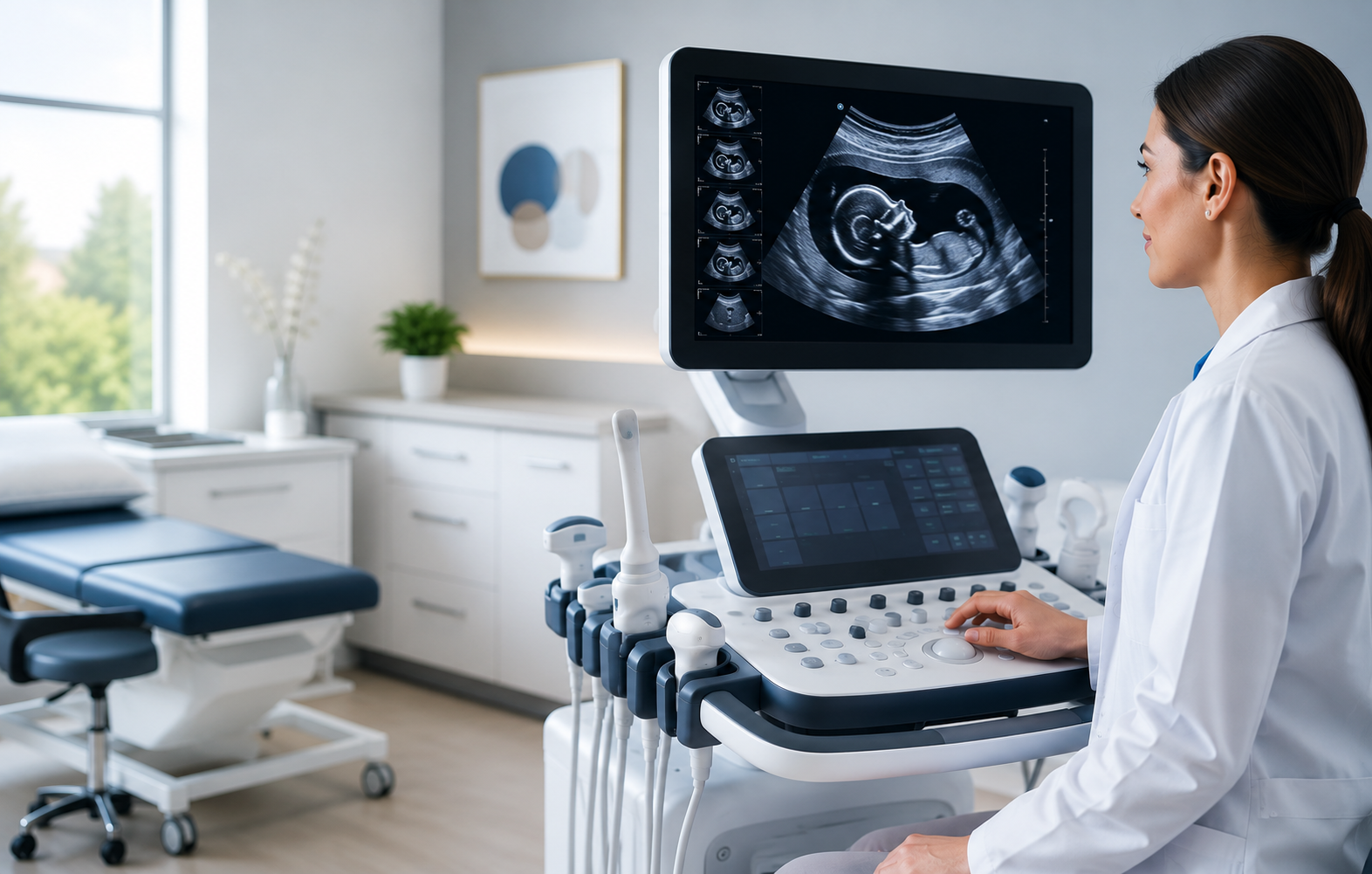
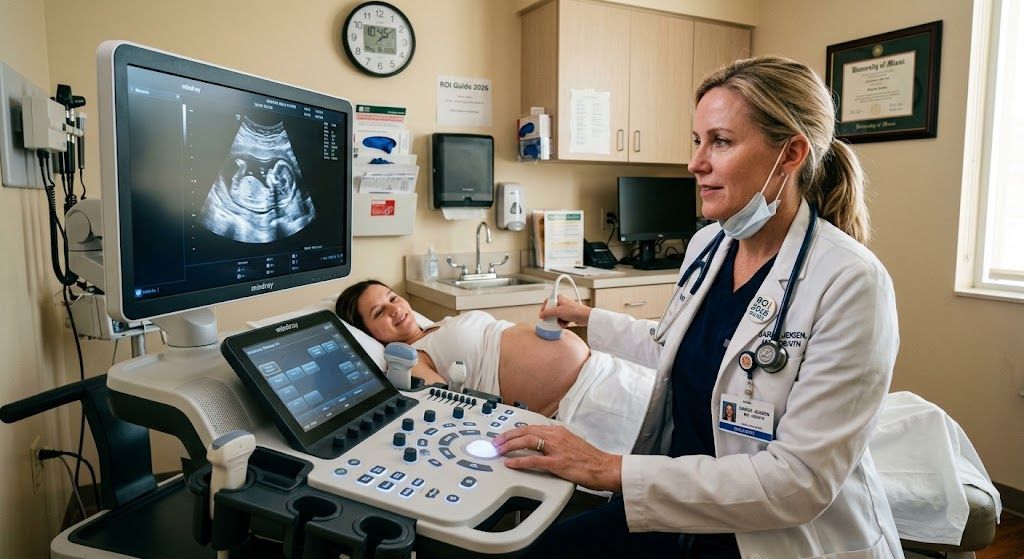
Within this ecosystem, diagnostic ultrasound remains a foundational imaging modality supporting women’s healthcare at every stage of life. From routine prenatal screenings to high-risk pregnancy management, gynecologic evaluation, and fertility treatment monitoring, modern ultrasound technology enables clinicians to visualize anatomy, assess fetal development, and guide clinical decision-making with remarkable precision.
Across Minneapolis and the broader Twin Cities region, several healthcare organizations stand out for their investment in advanced women’s imaging programs and multidisciplinary care models. These institutions demonstrate how modern ultrasound platforms, specialized physician expertise, and coordinated care pathways are shaping the future of women’s diagnostic imaging.
Mayo Clinic Health System and Regional Collaboration
While headquartered in nearby Rochester, Mayo Clinic maintains a strong clinical presence across Minnesota, including collaborations and referral relationships throughout the Minneapolis–Saint Paul metro area. As one of the world’s most respected academic medical centers, Mayo’s expertise in maternal-fetal medicine and diagnostic imaging significantly influences regional standards for women’s healthcare.
Ultrasound imaging plays a central role in Mayo’s obstetric and gynecologic programs. High-resolution obstetric ultrasound enables detailed fetal anatomical surveys, growth assessments, and placental evaluation throughout pregnancy. Maternal-fetal medicine specialists frequently rely on advanced imaging protocols to monitor pregnancies complicated by hypertension, diabetes, fetal growth restriction, or congenital anomalies.
Mayo’s research initiatives also contribute to the advancement of ultrasound technology itself. Investigations into imaging analytics, advanced Doppler techniques, and AI-assisted diagnostic tools continue to expand the capabilities of ultrasound as a primary imaging modality for women’s health.
Through referral partnerships and collaborative care networks, the clinical expertise developed at Mayo Clinic supports physicians and healthcare systems across the Minneapolis region.
M Health Fairview: Academic Innovation and Integrated Imaging
One of the most prominent healthcare organizations serving the Twin Cities is M Health Fairview, the integrated partnership between the University of Minnesota, Fairview Health Services, and University of Minnesota Physicians. This academic health system delivers comprehensive women’s health services across multiple hospitals and outpatient facilities throughout Minneapolis and surrounding communities.
Ultrasound imaging is deeply integrated into M Health Fairview’s obstetrics and gynecology programs. Maternal-fetal medicine specialists rely on high-definition imaging systems to evaluate fetal anatomy, monitor pregnancy progression, and detect potential complications early in gestation.
The University of Minnesota Medical Center—part of the M Health Fairview network—serves as a major referral center for high-risk pregnancies. Detailed fetal ultrasound studies help clinicians identify structural abnormalities, congenital heart defects, and other conditions requiring specialized care coordination.
In addition to obstetric imaging, the system provides advanced gynecologic ultrasound services used to evaluate uterine fibroids, ovarian cysts, pelvic pain, and reproductive health concerns. These diagnostic studies support clinical decision-making across a wide range of women’s health conditions.
For healthcare administrators, M Health Fairview’s model demonstrates the value of aligning academic expertise, imaging technology, and multidisciplinary clinical teams within a unified women’s health program.
Allina Health: Expanding Women’s Imaging Access Across the Twin Cities
Allina Health operates an extensive network of hospitals and outpatient clinics throughout Minneapolis, Saint Paul, and the surrounding suburbs. The system has made significant investments in women’s health services, including diagnostic ultrasound programs designed to support prenatal care and gynecologic evaluation across multiple care settings.
Allina’s maternal-fetal medicine specialists utilize advanced obstetric ultrasound to assess fetal development, monitor high-risk pregnancies, and evaluate placental function. Detailed fetal imaging allows physicians to identify structural anomalies earlier in pregnancy, enabling coordinated care planning with neonatal specialists and pediatric surgeons when necessary.
Gynecologic ultrasound also plays an important role within Allina’s women’s health programs. Transvaginal and pelvic ultrasound examinations are routinely used to evaluate abnormal bleeding, pelvic pain, and other gynecologic conditions.
Because Allina Health serves patients across both urban and suburban communities, the system has focused on expanding imaging access through regional clinics and ambulatory care centers. This distributed imaging approach helps ensure that patients can obtain high-quality ultrasound services without traveling long distances to tertiary hospitals.
HealthPartners and Regions Hospital: Multidisciplinary Women’s Care
Another major contributor to women’s healthcare in the Twin Cities is HealthPartners, which operates a large network of clinics and hospitals across Minnesota and western Wisconsin. Regions Hospital in Saint Paul serves as one of the system’s flagship facilities, providing advanced obstetric and maternal-fetal medicine services for complex pregnancies.
Ultrasound imaging is integral to HealthPartners’ prenatal care pathways. Routine obstetric ultrasound examinations monitor fetal growth, evaluate placental health, and assess amniotic fluid levels throughout pregnancy. For patients with higher-risk conditions, maternal-fetal medicine specialists perform targeted imaging studies designed to evaluate fetal anatomy in greater detail.
HealthPartners also supports gynecologic imaging programs that assist physicians in diagnosing structural pelvic conditions and reproductive health concerns. The system’s integrated electronic health record infrastructure enables imaging data to be shared across multiple facilities, improving care coordination and clinical efficiency.
Through its network of clinics and hospitals, HealthPartners demonstrates how large healthcare organizations can standardize ultrasound imaging protocols while maintaining accessibility for patients across an entire metropolitan region.
Hennepin Healthcare: Urban Women’s Health and Community Impact
Located in downtown Minneapolis, Hennepin Healthcare serves as both a teaching hospital and a critical safety-net provider for the region. The health system delivers comprehensive obstetric and gynecologic care to a highly diverse patient population, including many patients with complex medical and social needs.
Ultrasound imaging plays a key role in supporting Hennepin Healthcare’s women’s health services. Maternal-fetal medicine specialists use high-resolution obstetric ultrasound to evaluate fetal anatomy and monitor pregnancies complicated by chronic medical conditions or socioeconomic risk factors.
The hospital’s imaging teams work closely with obstetricians, neonatologists, and pediatric specialists to coordinate care for patients whose pregnancies require additional monitoring or intervention. This collaborative model highlights the importance of ultrasound as a diagnostic foundation for multidisciplinary maternal care.
Hennepin Healthcare also contributes to physician training through residency and fellowship programs, helping prepare the next generation of maternal-fetal medicine specialists and diagnostic imaging professionals.
Independent Women’s Health and Fertility Centers
In addition to large health systems, the Minneapolis metro area is home to numerous independent specialty practices that play an important role in women’s diagnostic imaging.
Fertility centers throughout the Twin Cities rely heavily on high-frequency transvaginal ultrasound to monitor ovarian follicle development, guide egg retrieval procedures, and evaluate uterine health during assisted reproductive treatments. Ultrasound imaging is essential to nearly every stage of fertility care, enabling physicians to tailor treatment plans based on real-time imaging data.
Specialized maternal-fetal medicine practices also contribute to the region’s imaging ecosystem by providing advanced prenatal ultrasound services for high-risk pregnancies referred by community obstetricians. These practices often maintain highly specialized imaging protocols designed to evaluate complex fetal conditions.
Together, these independent organizations complement the imaging capabilities of major health systems while expanding overall diagnostic capacity across the metropolitan region.
Technology Driving the Evolution of Women’s Ultrasound
The healthcare organizations serving Minneapolis continue to adopt new ultrasound technologies that enhance both diagnostic performance and operational efficiency.
Modern imaging platforms now provide significantly improved image clarity, enabling physicians to evaluate fetal anatomy and pelvic structures with exceptional detail. Advanced features such as 3D and 4D ultrasound imaging allow clinicians to examine anatomical structures from multiple angles, improving diagnostic confidence during prenatal evaluations.
Automated measurement tools and AI-assisted imaging workflows are also beginning to streamline ultrasound examinations, helping sonographers capture standardized images more efficiently while supporting consistent interpretation across providers.
For large health systems managing high patient volumes, these innovations can significantly improve workflow efficiency while maintaining high-quality imaging standards.
The Strategic Importance of Women’s Imaging Programs
As the Twin Cities healthcare market continues to grow, diagnostic ultrasound remains a cornerstone of women’s health services. Hospitals and specialty practices that invest in advanced imaging platforms, specialized physician expertise, and coordinated care models are better positioned to meet rising demand for prenatal and gynecologic diagnostic services.
Ultrasound programs often serve as a central hub connecting obstetrics, gynecology, maternal-fetal medicine, reproductive endocrinology, and breast health services. When supported by modern technology and standardized imaging protocols, these programs can significantly enhance both clinical outcomes and operational performance.
Healthcare organizations across Minneapolis are increasingly recognizing that robust women’s imaging infrastructure is essential for delivering comprehensive, patient-centered care.
Supporting the Future of Women’s Imaging
The Minneapolis–Saint Paul region continues to demonstrate how collaborative healthcare ecosystems can drive innovation in women’s health imaging. By combining advanced ultrasound technology with multidisciplinary clinical expertise, leading providers across the Twin Cities are helping expand access to high-quality diagnostic care for women throughout Minnesota and the Upper Midwest.
For healthcare systems evaluating their imaging strategy, partnering with experienced ultrasound specialists can help ensure that technology investments align with clinical goals and operational priorities.
Preferred Medical works with hospitals, health systems, and specialty practices nationwide to support the deployment of advanced ultrasound technology and imaging program development. Through consultative guidance and imaging expertise, Preferred Medical helps organizations strengthen their women’s health imaging capabilities while preparing for the evolving demands of modern healthcare.

Should You Buy, Finance, or Lease an OB/GYN Ultrasound Machine in 2026? A Practice Acquisition Guide

How Many Scans Does It Take to Pay for an OB/GYN Ultrasound Machine? A 2026 ROI and Break-Even Guide